

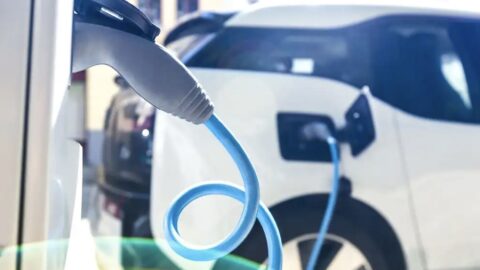
In its challenge to gradually decarbonize its energy sector, Europe is placing a lot of faith in electric cars. Many national governments are using incentives to accelerate the transition from fossil fuels to electric vehicles, with the aim of completely eliminating the production of internal combustion engine vehicles by 2035. Here's what's happening on the continent.

United Kingdom
Ofgem, the energy regulator, is considering making electric vehicle sales more attractive to consumers by allowing drivers to sell the electricity stored in their car batteries back to the grid when demand is highest. Ofgem is optimistic that if enough new EV drivers participate in the scheme, selling this energy could generate revenue and allow the UK to avoid building new power stations by providing the same amount of electricity generation as up to 10 nuclear power plants. More than 535,000 electric vehicles, including hybrid cars, are currently on British roads. This number is projected to reach 14 million by 2030.
Germany
Germany recently announced that it will extend subsidies for existing electric vehicles until 2025, whereas they were originally due to end in 2021.
During 2020, incentives for electric vehicles were doubled, offering a €3,000 bonus for fully electric vehicles and €2,250 for hybrids, along with a 10-year tax exemption and reduced VAT rates. Some European manufacturers are offering buyers an additional €3,000 bonus. Germany represents the largest market for electric vehicles in Europe: in 2019, they accounted for approximately 1.8% of all new passenger car registrations, a figure that has been increasing year after year. According to AutoNews, brands such as Smart, Seat, Mini, and BMW saw significant gains last year, increasing electric vehicle sales by 37%.
France
France has also joined the list of European countries offering incentives for electric vehicles, providing domestic manufacturers, such as Renault, with a range of support measures to encourage production in this sector. The French government also offers consumers exemptions from the CO2 tax, subsidies of up to €7,000, and a scrappage program for old conventionally powered cars.
Spain
Similarly, Spain has reduced taxes on electric vehicles in major cities, while offering subsidies of 4,000 to 5,000 euros for scrapping old vehicles.
Italy
After achieving great success in 2020, state incentives for cars were confirmed again for 2021 and on October 15, a new tranche of incentives equal to 65 million euros was announced, intended for the purchase of cars with emissions between 0 and 60 g/km of CO2, plus 10 million euros for the purchase of cars with emissions between 61 and 135 g/km of CO2, useful to allow the svecchiamento of the fleet in circulation. The eco-bonus, which will have a maximum amount of 6,000 euros, can be reserved until December 31, 2021 for applications made between January 1 and June 30, 2021. However, with the decree on infrastructure, for applications made between July 1 and December 31, 2021, reservations will be allowed until June 30, 2022.